
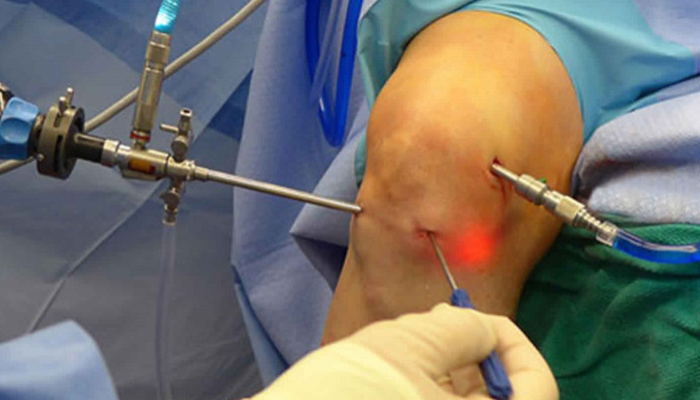
Arthroscopy is a minimally invasive surgical procedure used to diagnose and treat a wide range of joint conditions. Instead of making a large incision, the surgeon inserts a small camera called an arthroscope through tiny incisions to examine the inside of the joint. This advanced technique provides a clear, magnified view of the joint structures, allowing accurate diagnosis and precise treatment of damaged cartilage, ligaments, tendons, and other tissues. Arthroscopy is commonly performed on the knee, shoulder, ankle, hip, elbow, and wrist.
The procedure is highly effective for treating sports injuries, ligament tears, meniscus injuries, cartilage damage, rotator cuff tears, and joint inflammation. Since it requires only small incisions, patients generally experience less pain, minimal scarring, reduced blood loss, and a lower risk of infection compared to traditional open surgery. Recovery is usually faster, enabling patients to return to their daily activities and sports sooner with the help of a structured rehabilitation program.
Modern arthroscopic techniques combine advanced imaging technology with specialized surgical instruments to ensure precision and improved outcomes. Every treatment plan is tailored to the patient's condition, age, lifestyle, and activity level. With expert surgical care, comprehensive rehabilitation, and regular follow-up, arthroscopy helps restore joint function, relieve pain, improve mobility, and enhance overall quality of life, allowing patients to regain confidence in their movement and return to an active, healthy lifestyle.