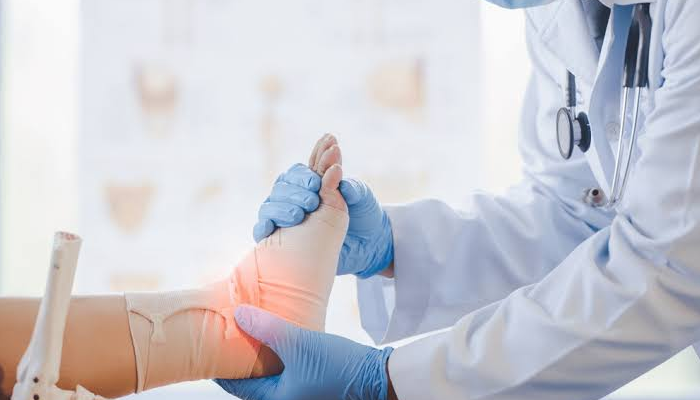
Trauma and fractures are among the most common orthopedic conditions, affecting people of all ages due to accidents, falls, sports injuries, or workplace incidents. A fracture occurs when a bone breaks or cracks, while trauma may involve injuries to bones, joints, muscles, ligaments, or surrounding soft tissues. Prompt diagnosis and appropriate treatment are essential to prevent complications, relieve pain, and restore normal function. Treatment depends on the type, location, and severity of the injury. Simple fractures may be managed with casts, splints, or braces, whereas complex or displaced fractures often require surgical intervention using advanced fixation techniques such as plates, screws, rods, or external fixators. Modern orthopedic care focuses on achieving proper bone alignment, promoting faster healing, and enabling early mobilization for better recovery outcomes.
Comprehensive trauma care also includes pain management, wound care, rehabilitation, and physiotherapy to regain strength, flexibility, and mobility. Early rehabilitation plays a crucial role in restoring independence and reducing the risk of long-term stiffness or disability. With timely medical attention, advanced surgical expertise, and personalized rehabilitation programs, most patients can achieve a full recovery and safely return to their daily activities, work, and sports. The goal is not only to heal the injury but also to restore function, improve quality of life, and help patients regain confidence in their movement.